
Six years ago I graduated from Mindanao State University located in a City known for its Islamic and indigenous culture – the Islamic city of Marawi. I come from North Cotabato, and along with other students from far-flung provinces, we chose to study at MSU. Despite traveling for almost 11 hours and living in a place where Christians are a minority, I chose to finish my studies in this city known for its conservative culture, cool climate and security concerns.
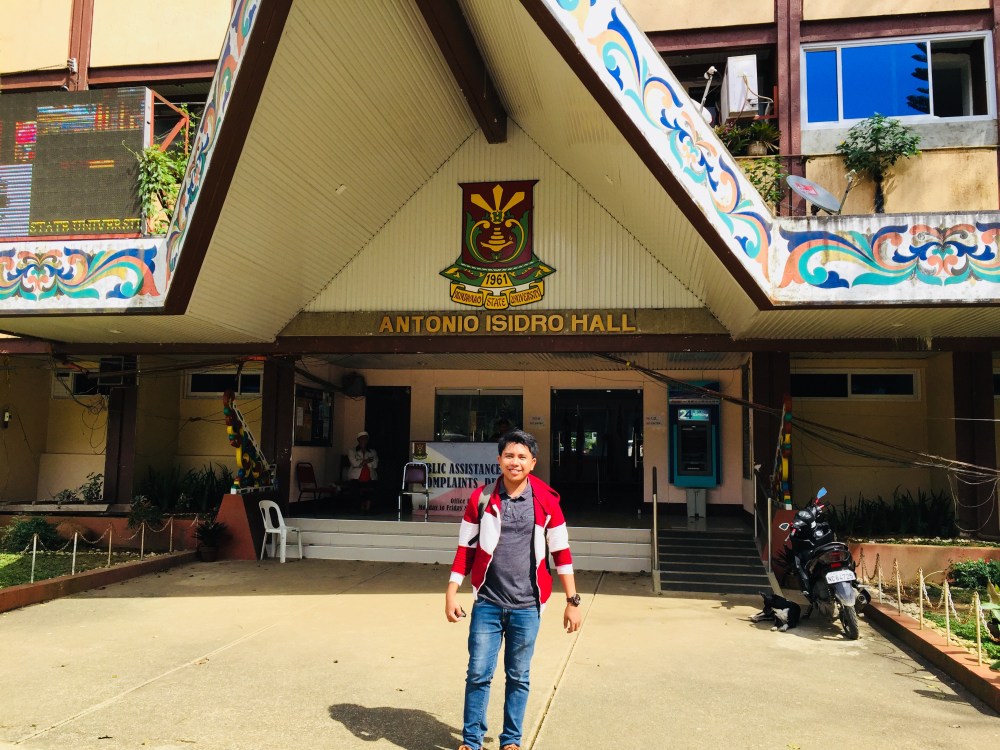
In addition to its people, the M’ranaos, I was impressed and became interested in the arts and crafts of Marawi. The apparent influence of the M’ranao culture is embedded in the university’s buildings, structures, designs, and identity. As a student, I always try to observe how people in the university adorn its premises and interiors. And the typical scenarios are colorful ethnically-designed banners, clothing, stage decorations and even the presentations are cultural dances of the M’ranaos. Yes, the university logo, the graduation rites and many things about the university as a whole, reflects the local culture of Marawi City.
Two of the most well-known features of the city contributing to its visual arts is the “Sarimanok” and the ‘Okir”.

A very significant cultural symbol, Sarimanok is a mythical bird of the Maranao made up of multiple colors. In fact, this is a common motif for many noble occasions just like weddings and enthronement. More than a visual decoration and a symbol, there are also several stories pertaining to Sarimanok. In Ambeth Ocampo’s article, ‘Tales of the Sarimanok’, there’s a story that narrates its origin.
“Once upon a time, a sultan of Lanao threw a party for his daughter, the princess Sari, under a balete tree. Like all fairy-tale princesses, Sari was both beautiful and in distress. A rooster crashed the party and made off with the princess. There is no happy ending here because Sari is never found. So the depressed sultan had a rooster carved in memory of that black day. That reminder became the sarimanok.”
Meanwhile, okir is even more evident in many corners of Marawi City. David B. Baradas, in his research entitled ‘Some Implications of the Okir Motif in Lanao and Suku Art’, described okir as a term used to refer to the whole repertoire or art designs consisting of plant forms.
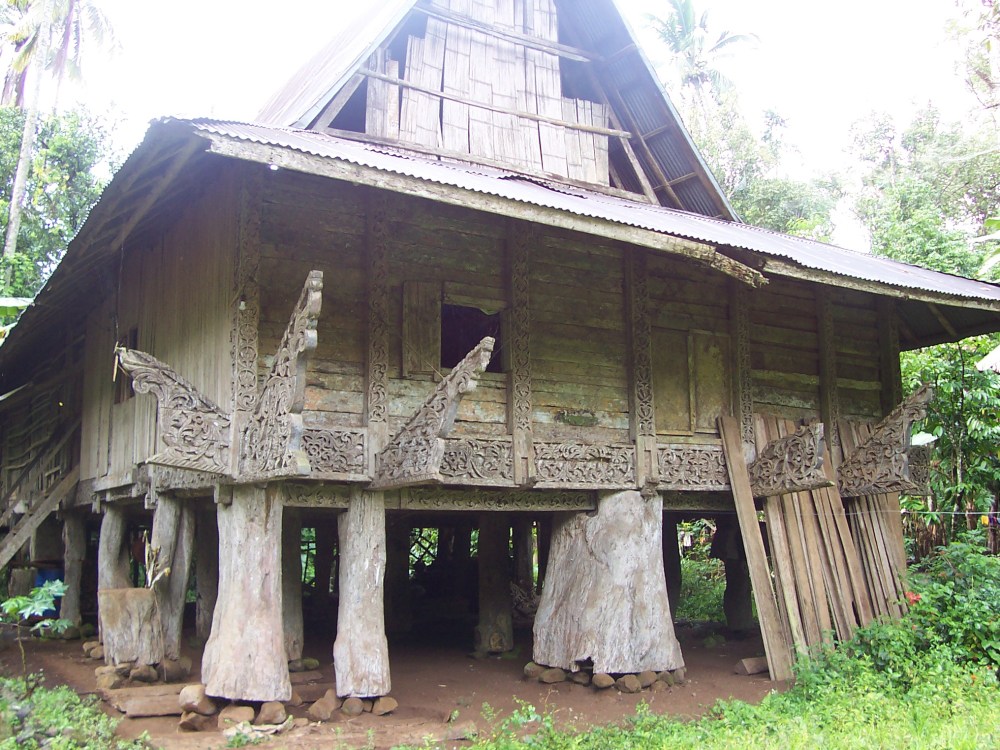
Aga Khan Museum is a resident museum of the university, offers a collection of items that have okir designs. Torogan, a traditional M’ranao house is one of the best examples of okir-designed structure.
If you visit buildings and classrooms in the university, you will sure find okir designs around its roofs or even inside the buildings.
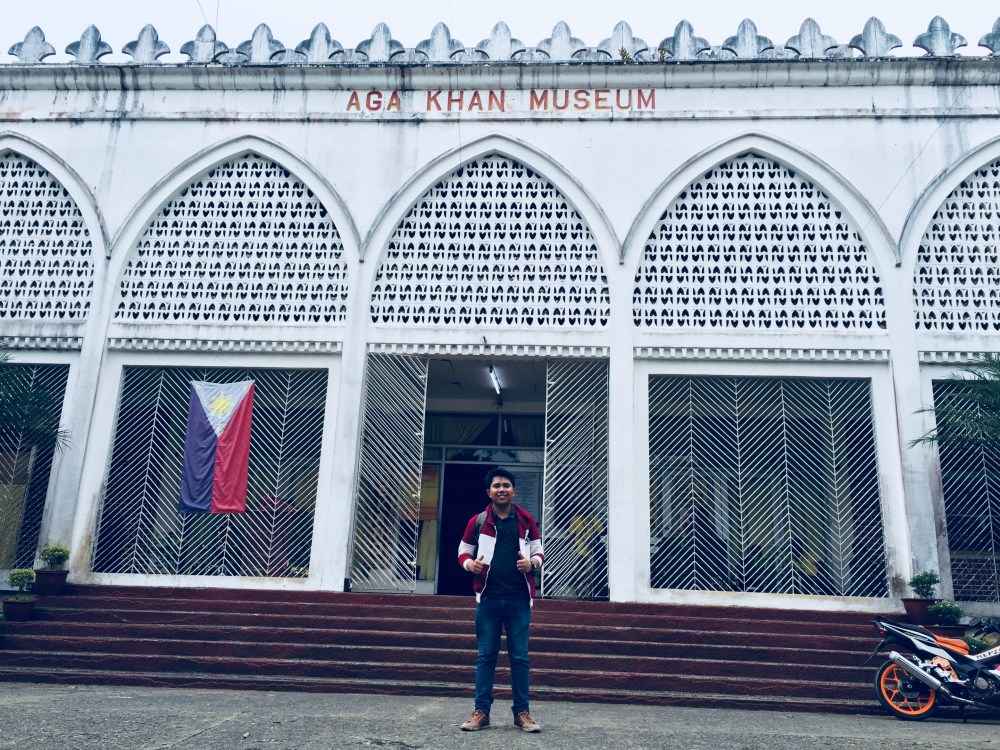
Last February 25, 2019, I got the opportunity to visit a place where I used to call my second home. So, for a few hours, I have taken the opportunity to have some pictures in many corners of the university. It feels so good to visit a very memorable place after six years.


 AJ Gallery